
Classroom Management and PBL Blog for Grades 6-12 Teachers
-
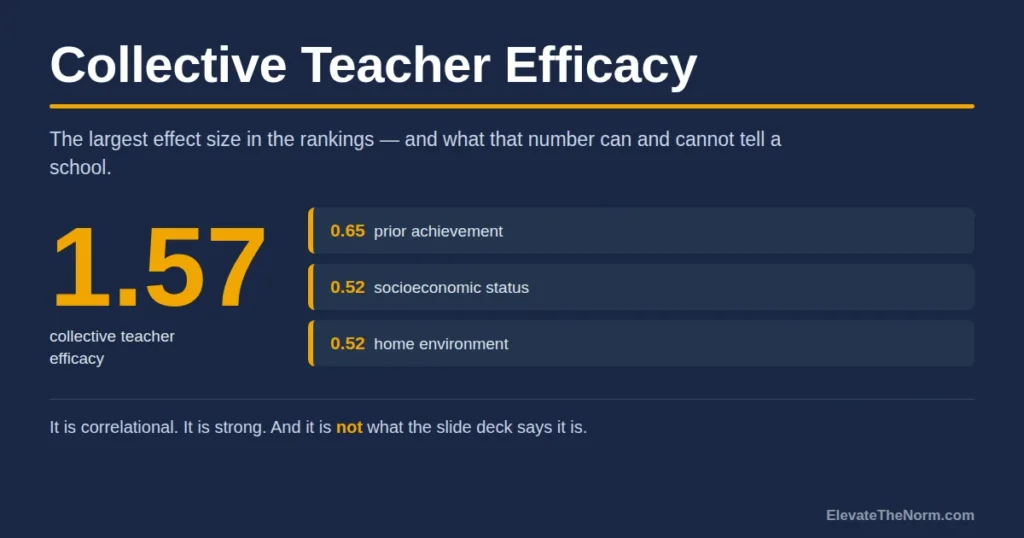
Collective Teacher Efficacy: What the 1.57 Effect Size Actually Means
Collective teacher efficacy carries the largest effect size in Hattie’s rankings at 1.57. It is correlational, it is almost certainly larger than any causal effect, and the rebuttal was published in the same journal. Here is what the number supports, what it does not, and what a grades 6-12 department can actually do with it.
-
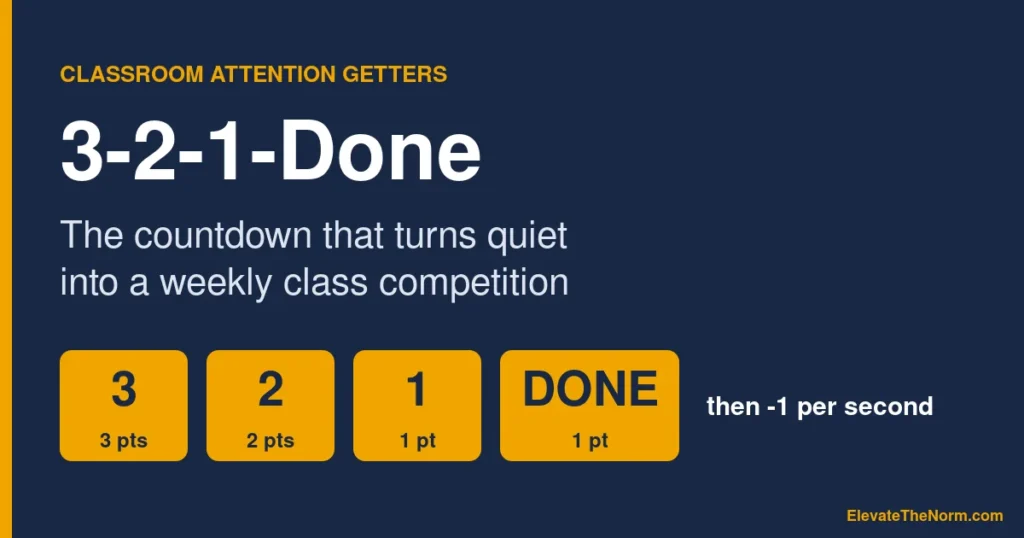
Classroom Attention Getters: The 3-2-1-Done Method That Took Six Weeks to Work
Classroom attention getters only work in grades 6–12 when students have a stake in answering them. Here is the 3-2-1-Done method — a countdown with a weekly class competition attached — plus the scoring, the reward, and why buy-in took six weeks.
-
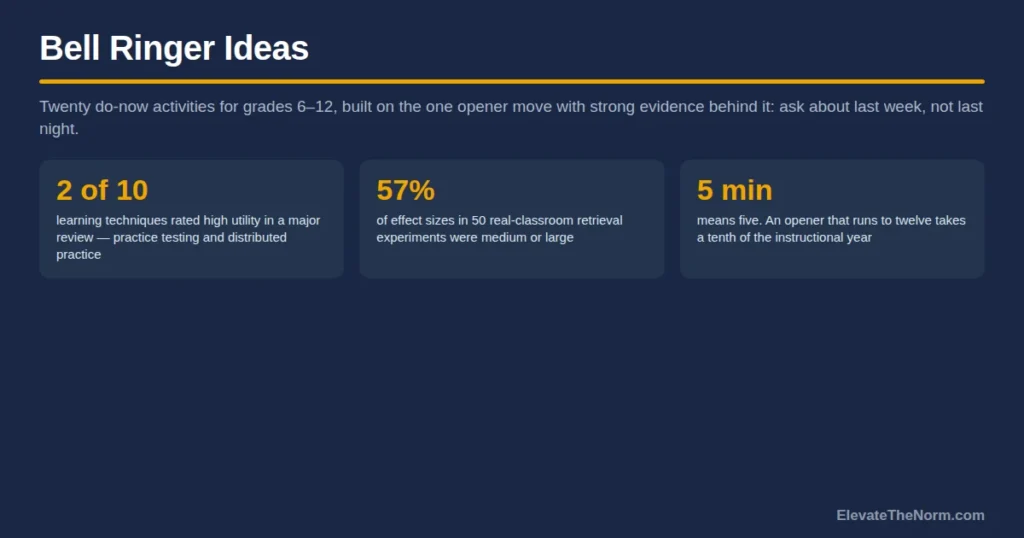
Bell Ringer Ideas That Earn the First Five Minutes: 20 Do-Now Activities for Grades 6–12
Twenty bell ringer ideas and do-now activities for grades 6–12, built on the one opener move with strong evidence behind it — ask students to retrieve something from last week, not last night.
-
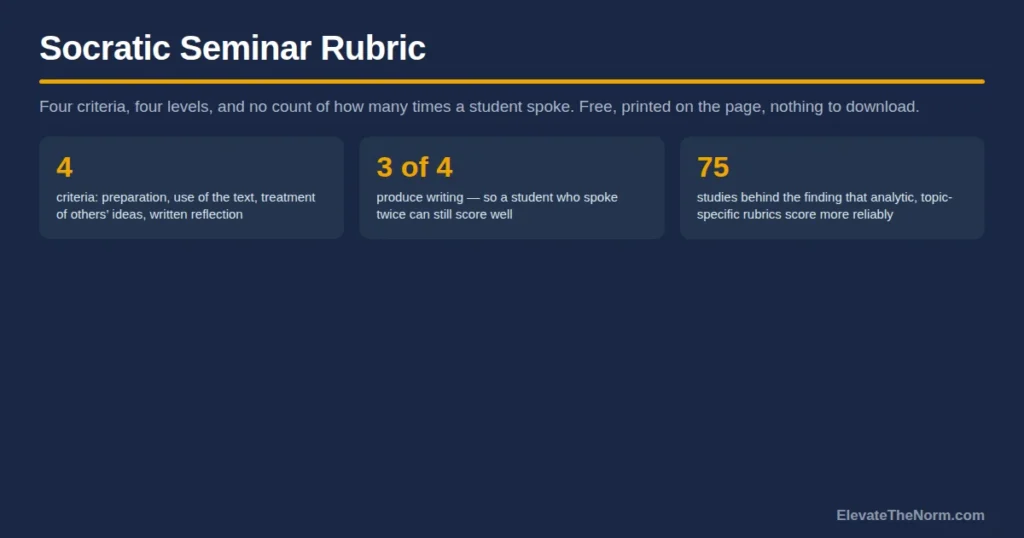
Socratic Seminar Rubric: A Four-Criterion Version for Grades 6–12
A free four-criterion Socratic seminar rubric for grades 6–12, printed on the page with nothing to download — and the case for scoring preparation and reflection instead of how often a student spoke.
-
Sub Plans for Middle and High School: What to Leave So the Day Actually Runs
Sub plans for grades 6–12: what to put in the binder, how to write the day in minutes, how emergency sub plans differ from planned-absence plans, and what to do when no substitute comes.

